Perfume Notes Explained: Top, Heart, and Base
February 18, 2026 · FregranceX Team

Every fragrance you’ve ever loved is built on a framework of notes — individual scent ingredients arranged in a specific structure. Understanding how these notes work transforms you from a casual perfume wearer into a knowledgeable enthusiast. In this guide, we’ll break down the three layers of fragrance notes and explain how they create the complex, evolving scent experiences that make perfumery an art form.
The Three-Layer Structure
Perfume is structured in three tiers, like a pyramid. Each tier represents a different phase of the fragrance experience:
Top Notes (The Opening)
Top notes are the first scents you smell when you spray a perfume. They’re composed of small, light molecules that evaporate quickly — typically within 15 to 30 minutes. Top notes create the crucial first impression and are designed to be bright, fresh, and attention-grabbing. Common top notes include:
- Citrus: Lemon, bergamot, orange, grapefruit — fresh and energetic
- Green: Mint, basil, green tea — crisp and natural
- Fruity: Apple, pineapple, berry — playful and inviting
- Herbal: Lavender, rosemary, thyme — aromatic and clean
In South African summer, top notes can evolve even faster due to heat acceleration. This is why many people find that fragrances smell different in the bottle versus on their skin in warm weather.
Heart Notes (The Core)
Heart notes (also called middle notes) emerge as the top notes fade, typically lasting 2 to 4 hours. They form the core of the fragrance and define its character. Heart notes are usually floral, spicy, or fruity compositions that bridge the fresh opening with the rich base. Common heart notes include:
- Florals: Rose, jasmine, ylang-ylang, iris — feminine and elegant
- Spices: Cinnamon, cardamom, pink pepper — warm and aromatic
- Fruits: Peach, plum, cherry — rich and inviting
- Herbs: Geranium, sage, nutmeg — complex and sophisticated
The heart is where a fragrance reveals its true personality. This is the phase that most people associate with the perfume’s identity.
Base Notes (The Foundation)
Base notes are the final and longest-lasting phase of a fragrance, persisting for 4 to 12+ hours. They’re composed of large, heavy molecules that evaporate slowly. Base notes provide depth, richness, and longevity. Common base notes include:
- Woods: Sandalwood, cedar, oud — warm and grounding
- Resins: Amber, myrrh, benzoin — rich and enveloping
- Sweets: Vanilla, tonka bean, caramel — comforting and addictive
- Musks: White musk, cashmere musk — soft and sensual
- Leather and Tobacco: Smoky, animalic, and deeply masculine
Base notes are what linger on your skin at the end of the day and what people smell on your clothing hours after application.
How Notes Work Together
The magic of perfumery lies in how these notes interact and evolve. A well-composed fragrance creates a journey — from the bright opening through the complex heart to the warm, lasting base. Lattafa Khamrah, for example, opens with spicy cinnamon (top), transitions to floral and fruity notes (heart), and settles into a rich vanilla and amber base (base). This evolution is what makes wearing perfume a sensory experience rather than just a scent.
Notes and South African Climate
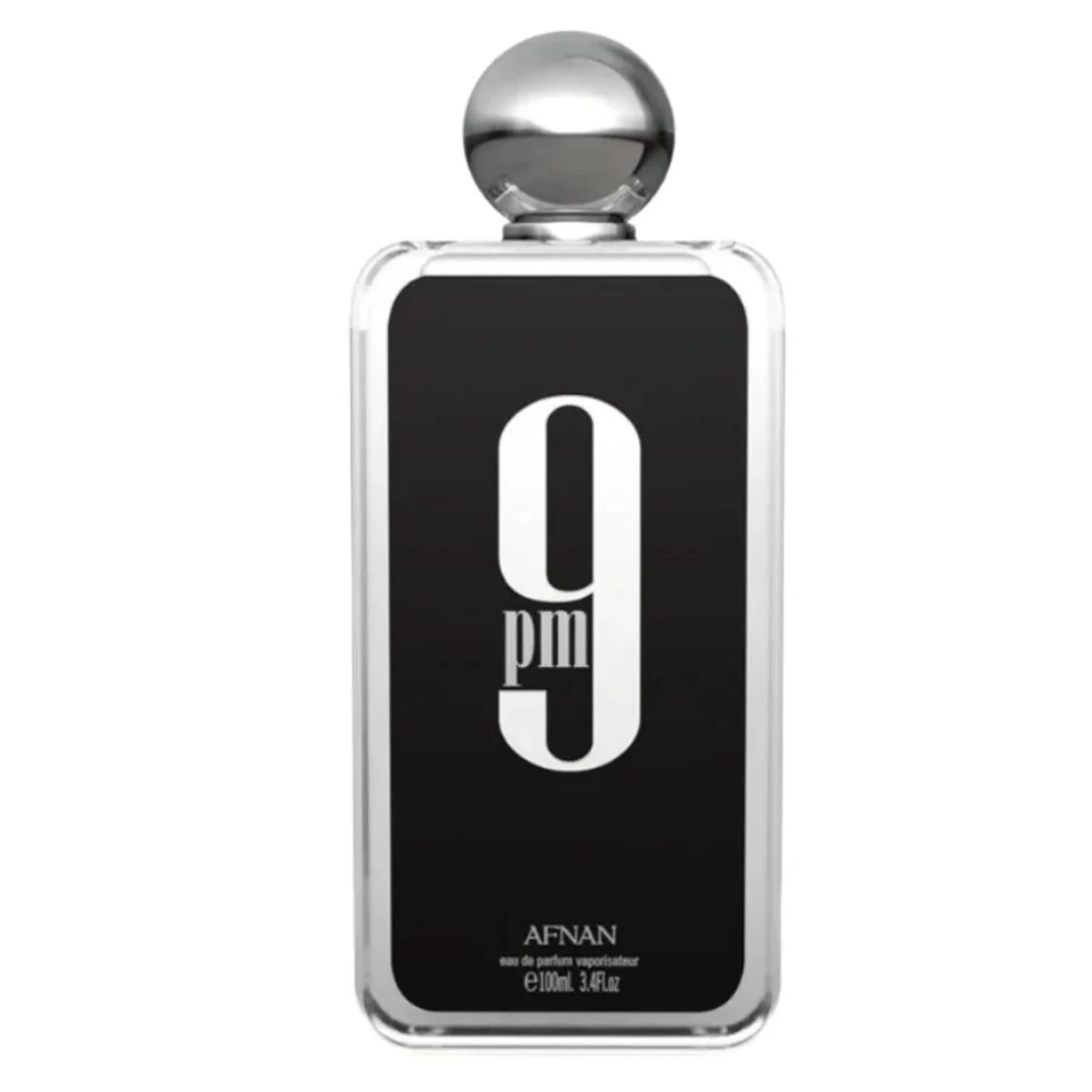
In South African heat, top notes evaporate faster, meaning you reach the heart and base notes more quickly. This is why heavy, base-note-driven fragrances like Lattafa Khamrah and Afnan 9PM perform so well in our climate — they’re built on notes that thrive in heat. Conversely, fresh fragrances with dominant top notes like Rasasi Hawas are designed to provide maximum freshness during that initial phase before transitioning to their aquatic heart.
Reading Fragrance Pyramids
When you see a fragrance described with notes like “bergamot, jasmine, and sandalwood,” that’s typically listed in order from top to base. Understanding this hierarchy helps you predict how a fragrance will evolve and whether it suits your preferences. If you love warm, lasting scents, look for fragrances with rich base notes. If you prefer fresh, energetic openings, focus on those with prominent top notes.
Quick Answers
Frequently Asked Questions
Why does my perfume smell different after a while?
This is normal and intentional. Perfume evolves through top, heart, and base notes over time. The opening scent fades as top notes evaporate, revealing the heart and eventually the base. Each phase offers a different olfactory experience.
Which notes last the longest?
Base notes last the longest — typically 4 to 12+ hours. Woods (sandalwood, oud), resins (amber), sweets (vanilla), and musks persist longest. Top notes (citrus, green) fade within 15-30 minutes.
How do I know which notes I like?
Think about scents you're naturally drawn to — the coffee shop, a garden, a leather shop, a bakery. These preferences translate to fragrance notes. Vanilla lovers often enjoy gourmand fragrances, while flower garden fans prefer florals.